Best Natural Body Lotion for Winter
Winter air is dry, indoor heat is dry, and skin feels it first. If your shins look ashy by noon, your summer lotion is falling short.
You need one lotion that fits your skin, used the right way. Below are five types for cold weather, picked by texture and skin type, with typical US prices.
Quick note: before a new lotion, dab a little on your inner wrist and wait 24 hours. If your skin stays calm, you are good to use it all over.
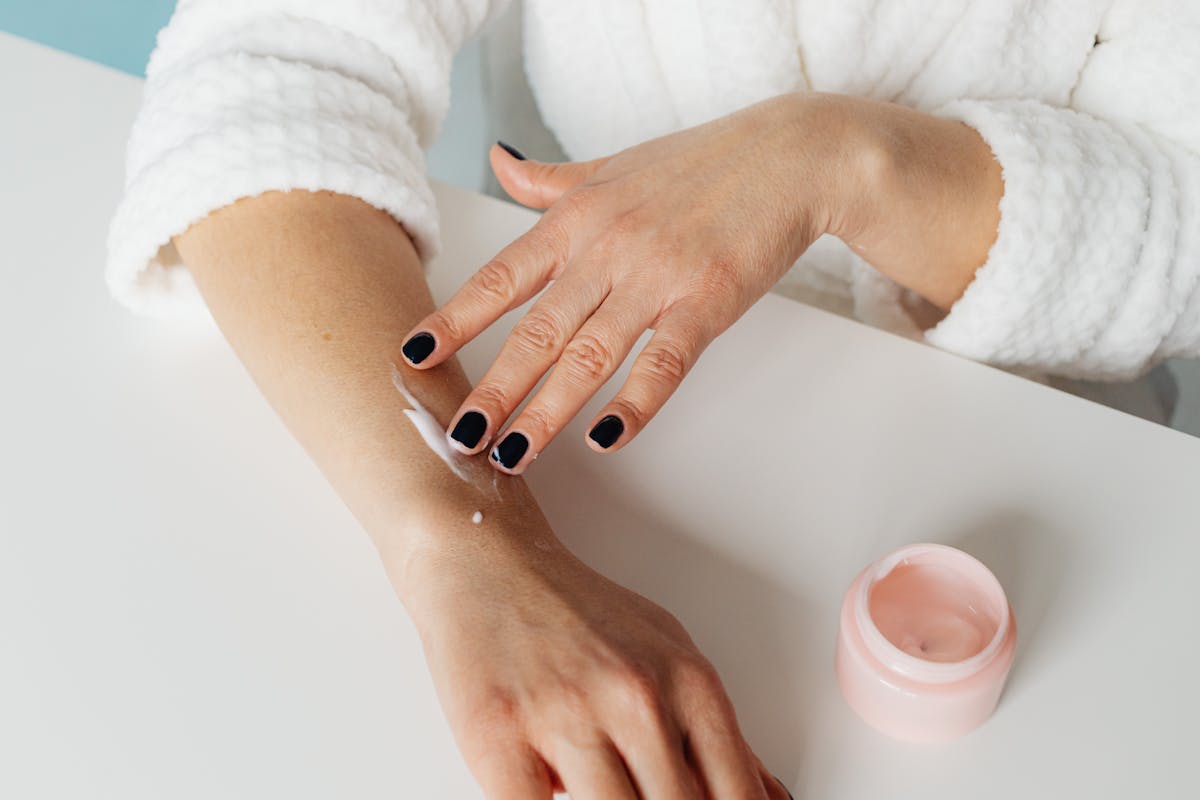
1. The Rich Cream: Your Winter Workhorse
When winter skin feels rough and tight, a rich cream is the safest first pick. It is thicker than a regular lotion, so it sits on the skin longer and slows water loss. Look for ceramides, glycerin, and shea butter: ceramides hold moisture in, glycerin pulls water into the top layer of skin, and shea butter softens rough spots.
Details:
- Finish: thick, rich, and smooth
- Best for: normal to very dry skin
- Typical US price: about $10 to $22 for a full-size tub
2. The Light Lotion: Your Everyday Bottle
A light lotion is the one you reach for on normal days. It spreads fast, sinks in fast, and never feels sticky under clothes. It suits skin that is only a little dry. The catch is that a thin lotion can fade by lunch, so use a richer pick, or use this one twice a day.
Details:
- Finish: light, smooth, and fast to absorb
- Best for: normal or mildly dry skin
- Typical US price: about $5 to $13 for a full-size bottle
3. The Body Butter: Your Deep Moisture Treat
A body butter is the thickest pick on this list. It feels like soft whipped butter in the jar, and a little goes a long way. Grab it for elbows, knees, heels, and shins at night. Shea butter is the star here: a rich plant butter that softens skin and smooths rough patches.

Details:
- Finish: thick and buttery, with a soft glow
- Best for: very dry skin and rough spots
- Typical US price: about $22 to $30 for a full-size jar
4. The Oil-Infused Lotion: Your Glow Pick
An oil-infused lotion mixes a light lotion base with plant oils like cocoa butter or shea butter. You get the easy spread of a lotion plus the soft seal of an oil. It is great if your skin looks dull and ashy in winter. The oil slows water loss, and the lotion base keeps it from feeling slick.
Details:
- Finish: smooth and slightly dewy, with a soft glow
- Best for: dull or ashy skin, normal to dry skin
- Typical US price: about $5 to $20 for a full-size bottle
5. The Fragrance-Free Pick: Your Gentle Choice
If scented creams sting or redden your skin, go fragrance-free. This is the pick for sensitive skin. Fragrance-free means no added scent at all, kinder than "unscented," which can still hide scent-masking chemicals. A good one leans on plain ingredients: ceramides, glycerin, and shea butter, with no added dyes.
Details:
- Finish: clean and calm, with no scent and no sting
- Best for: sensitive skin and eczema-prone skin
- Typical US price: about $11 to $21 for a full-size bottle or tub
How to Pick the Right One
Start with your skin, not the bottle. If your skin feels tight or flaky, go thick: a rich cream or a body butter. If it is only a bit dry, a light or oil-infused lotion will do. If it reacts to scent, pick the fragrance-free one.
Then read the label: ceramides, shea butter, and glycerin. Ceramides rebuild the skin barrier, shea butter softens and smooths, and glycerin pulls water in and holds it there. Skip SLS, SLES, and denatured alcohol. SLS and SLES are harsh cleansers that strip your skin's natural oils, and denatured alcohol dries fast and strips moisture too. One note: fatty alcohols like cetyl and stearyl alcohol are different. They moisturize, so do not fear those names.

How to Apply It So It Works
How you use your lotion matters as much as which one you buy. The American Academy of Dermatology shares one simple rule: moisturize while your skin is still damp, within a few minutes of your shower.
Keep showers short and warm, 5 to 10 minutes. Hot water strips your skin's natural oils. When you step out, pat dry instead of rubbing, then smooth lotion on right away while your skin still feels damp. Pay attention to shins, elbows, and hands. If your skin feels dry by lunch, apply again.

What to Skip
Skip long, hot showers: they wash away the oils your skin needs. Skip harsh soaps that leave skin feeling squeaky and tight. Skip scented lotions if your skin is sensitive or cracked, and skip denatured alcohol high on the list. One thin layer in the morning is not enough. Winter skin needs more lotion than summer skin.
When to See a Dermatologist
Most winter dryness gets better with a good lotion and gentle routine. But some signs mean it is time to see a dermatologist: skin that cracks or bleeds, itch that keeps you up at night, a rash that will not fade, or dry patches that spread even with daily moisturizing. This article is general body-care guidance, not medical advice.
Quick Recap
- Rich cream: normal to very dry skin, about $10 to $22.
- Light lotion: normal or mildly dry skin, about $5 to $13.
- Body butter: very dry skin and rough spots, about $22 to $30.
- Oil-infused lotion: dull or ashy skin, about $5 to $20.
- Fragrance-free lotion: sensitive skin, about $11 to $21.
Winter skin does not need a shelf full of products. One good lotion and a few minutes after your shower will do. Pick your type, patch-test it, use it daily.
Pin this guide for later. Your winter skin will thank you.


Comments