Silk Pillowcase for Hair and Skin: Does It Work?
You have seen silk pillowcases all over your feed. They promise better hair and smoother skin. But do they really work, or is it just hype? The short answer is that a silk pillowcase can help, but it is not magic. This guide keeps it simple. You will learn what it is, how it may help, what to look for, and how to wash it.

What a Silk Pillowcase Is
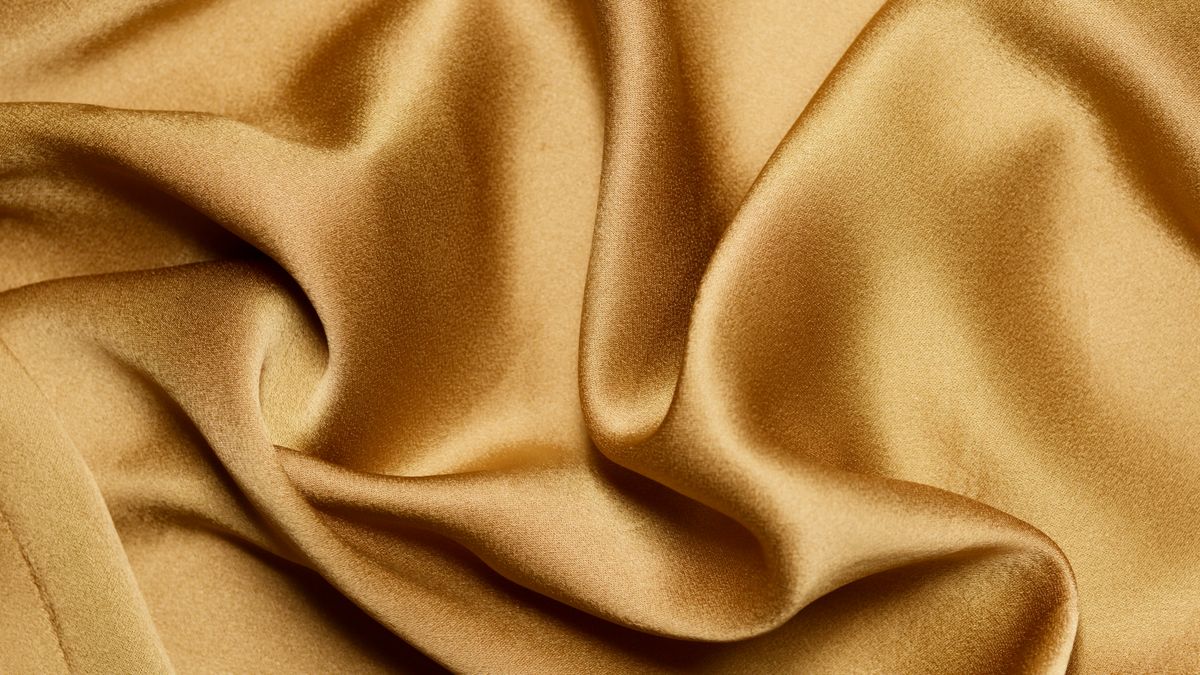
A silk pillowcase is a pillow cover made from silk instead of cotton, and most good ones use mulberry silk. That is silk from silkworms that eat mulberry leaves, and it makes long, smooth fibers that weave into a soft cloth with a light shine.
You will also see a number called momme. Momme is a weight measure for silk, and it tells you how much silk is in the cloth. One momme is about 4.34 grams per square meter. Most guides say to look for 19 to 25 momme for a pillowcase, and a 22 momme case is a common pick. Below 19, it can feel thin, and above 25 it can feel heavy.
How It Helps Your Hair
Your hair rubs against your pillow all night. Every time you turn your head, it drags across the cloth. Cotton grips your hair at a tiny scale, and that grip can lead to tangles, frizz, and breakage. Silk is much smoother, so your hair slides across it with less pull. Less pull means fewer tangles in the morning.
Silk also soaks up less moisture than cotton. Cotton can pull oils and moisture from your hair while you sleep, while silk leaves more of it on your hair. That can help curls keep their shape.
None of this is a fix for damaged hair. A silk pillowcase will not repair split ends or make thin hair thick. But if you wake up with frizzy hair most mornings, it may help you wake up with calmer hair. People with curly or wavy hair often notice the change first.

How It Helps Your Skin
Your face spends hours pressed on your pillow each night. On cotton, your skin can drag and fold as you move, and those folds show up as sleep lines in the morning. Most fade fast. A smooth silk surface lets your skin glide instead of grip, so those morning lines may look softer.
Silk also pulls less moisture from your skin than cotton, so your night cream stays on your face a bit longer instead of soaking into the cloth. That is a small thing, but it can help your skin feel less dry when you wake up.
Be honest with yourself here. A silk pillowcase will not erase wrinkles, clear acne, or change your skin overnight. It is not a skin treatment, just a gentler surface to sleep on. If your skin is reactive, less rubbing is a kind thing to do for your face.
What to Look For
Shop with a short list in mind.
- Mulberry silk: Look for 100 percent mulberry silk on the label. It is the smoothest silk you can buy. Satin can look the same, but it is often made from polyester, and it does not breathe like real silk.
- Momme count: Aim for 19 to 25 momme. A 22 momme case is a safe middle ground for most people. It feels solid and lasts through many washes.
- Weave and feel: Charmeuse is the common weave. One side shines, and one side is matte. It should feel cool and smooth, with no rough patches.
- Care label: Check it before you buy. If it says dry clean only, think twice.
How to Wash It
Wash your silk pillowcase before you use it for the first time, to clear away dust from the shop and the packaging.
Hand washing is the gentlest choice. Fill a basin with cool water and a few drops of mild detergent made for silk or delicates. Turn the case inside out, swish it gently for a few minutes, and rinse with cool water until the soap is gone. Press the water out with a clean towel. Never wring it, since wet silk tears more easily.
You can machine wash it if the label allows it. Use a mesh laundry bag, a gentle cycle, and cold water, with a mild detergent. Skip bleach, fabric softener, and stain sprays. They can dull the silk.
Dry it flat on a clean towel, away from sun and heat, and never use a hot dryer. Wash it every week or so, like any pillowcase.

What to skip
- Cheap satin sold as silk. If the label does not say silk, it is not silk.
- Hot water, bleach, and fabric softener. They break down silk fibers.
- Big claims on the box. If a case promises to erase wrinkles or stop aging, that is hype, not fact.
When to see a dermatologist
A silk pillowcase is a low-risk change, but it is not a treatment. If your skin stays red, itchy, or sore, or if rashes or breakouts do not clear up, talk to a dermatologist. The same goes for hair loss or hair that keeps breaking.
Quick recap
- A silk pillowcase is a smooth, low-friction surface for your hair and skin while you sleep.
- Pick mulberry silk at 19 to 25 momme, with 22 as a common middle ground.
- It may help with frizz, tangles, and morning sleep lines, but it will not fix damage or erase wrinkles.
- Wash it in cool water with a mild detergent, and air-dry it flat.
- Wash it before first use, and skip bleach, softener, and hot water.
Pin this guide for later. Your silk pillowcase guide is ready.


Comments