Best Natural Face Moisturizer for Winter Dry Skin
Winter is rough on your face. Cold air outside pulls moisture out of your skin, and warm, dry air inside does the same. By mid-morning, your cheeks feel tight, your skin looks dull, and little dry flakes show up around your nose. A good face moisturizer fixes all of that. It adds water back to your skin and then seals it in, so your face stays soft all day. This guide walks you through 5 gentle types that work well in winter, plus how to pick the right one for your skin.
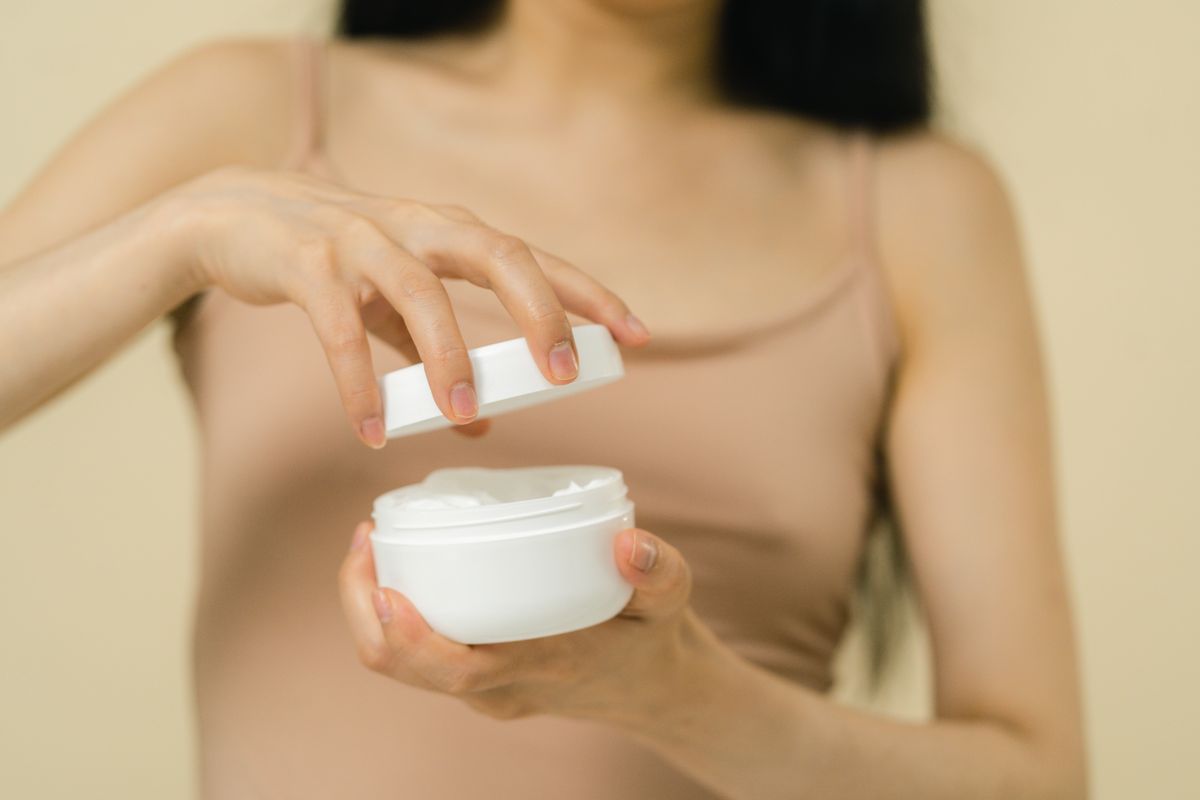
Pick 1: Rich Cream
A rich cream is the classic winter pick. It feels thick and cozy, and it leaves a soft layer on your skin that keeps moisture locked in for hours. If your face feels tight by lunch, this is the type to reach for.
Details:
- Finish: rich and creamy, with a soft glow, never greasy when you use the right amount.
- Best for: dry, very dry, and mature skin, and cold, windy days.
- Price: about $11 to $24 for a drugstore jar.
- Tip: a pea-sized amount covers your whole face. Warm it between your fingers first, then press it on.
Pick 2: Light Lotion
A light lotion is a thinner cream that sinks in fast and leaves almost no film behind. It is the easy everyday pick when your skin is only a little dry, or when you want something light under makeup.
Details:
- Finish: light and smooth, absorbs fast, no shine.
- Best for: normal, combination, and slightly dry skin.
- Price: about $9 to $20 for a drugstore bottle.
- Tip: use it in the morning under sunscreen, and save the rich cream for night.

Pick 3: Gel-Cream
A gel-cream looks like a jelly and feels cool on the skin. It gives a big drink of water without any weight, so it suits skin that gets dry and shiny at the same time.
Details:
- Finish: cool, fresh, and weightless, with a soft dewy glow.
- Best for: combination, oily, and normal skin, and anyone who hates heavy creams.
- Price: about $10 to $20 for a drugstore jar.
- Tip: in deep winter, layer it under a richer cream on your driest spots, like your cheeks.
Pick 4: Balm
A balm is a solid cream in a small pot or tube, and it feels like a lip balm for your whole face. You warm a little between your fingers, then press it on. It leaves a sheer, glossy shield that is great for wind and cold.
Details:
- Finish: sheer and glossy, like healthy skin.
- Best for: very dry, sensitive, and chapped skin, and cold outdoor days.
- Price: about $10 to $16 for a drugstore balm.
- Tip: use it as a night mask on your driest patches, or dab it on flaky spots during the day.

Pick 5: SPF Moisturizer
A moisturizer with SPF does two jobs at once. It hydrates your skin and guards it from the sun in one step. Winter sun still counts, even on gray days, so this is a smart morning pick.
Details:
- Finish: light and smooth, much like a normal day lotion.
- Best for: all skin types, and busy mornings when you want one step, not two.
- Price: about $12 to $25 for a drugstore tube.
- Tip: use a full finger-length of product for your face and neck, and reapply if you spend time outside.
How to Pick a Natural Face Moisturizer
Start with the ingredient list. Look for ceramides, which are the lipids that make up about half of your skin barrier and help it hold moisture in. Hyaluronic acid is a humectant that draws water into the top layer of your skin and can hold up to 1000 times its weight in water. Glycerin does the same job in a gentler way, pulling water to the surface and keeping it there. Shea butter is a plant lipid full of fatty acids that fills the gaps between dry skin cells and softens them. Skip heavy fragrance, since fragrance is a common cause of irritation, and skip products that sting when you put them on. If your skin is very sensitive, a shorter ingredient list is usually the safer bet.
How to Apply
Where and how you put it on matters as much as what you use. Wash your face with a gentle cleanser, then pat it until it is just damp, not dripping wet. Moisturizer works best on damp skin because it seals the water in. Use a pea-sized amount for your whole face, and add a little more on dry spots. Layer thin to thick: a light serum or gel-cream first, then your rich cream on top, and wait 30 to 60 seconds between layers so each one can sink in. In the daytime, SPF goes last. Patch test any new product on your inner wrist and wait 24 hours before you use it on your face.

What to skip
- Skipping moisturizer in winter. Cold air dries your skin fast, and skipping a day makes the tightness worse.
- Heavy fragrance and strong scents. They smell nice but can irritate dry skin.
- Over-exfoliating. Scrubbing every day strips your skin and makes dryness worse, so keep it to once or twice a week.
- Hot showers on your face. Hot water strips oils from your skin, so use lukewarm water instead.
When to see a dermatologist
If your skin stays red, cracked, or sore even with a good moisturizer, or if you get a rash, swelling, or flaking that will not calm down, stop using the product and talk to a dermatologist. Bring the product along so the doctor can see the ingredient list.
Quick recap
- Rich cream: thick and cozy, dry skin, $11 to $24.
- Light lotion: fast and light, normal skin, $9 to $20.
- Gel-cream: cool and weightless, combo skin, $10 to $20.
- Balm: glossy shield, very dry skin, $10 to $16.
- SPF moisturizer: hydration plus sun care, $12 to $25.
Pin this guide for later. Your winter skin will thank you.


Comments