Best Natural Lipsticks for Winter
Winter can be hard on your lips. Cold air, wind, and dry heat indoors can leave them chapped and sore. A good lipstick should do more than add color. It should feel soft and keep your lips moist all day. Natural lipstick is a smart pick for winter, since most natural formulas use plant oils and butters that help lips stay soft.
This guide walks you through 5 types for cold weather: a classic red, a soft nude, a deep berry, a gentle rose, and a tinted balm. If you try a new lipstick for the first time, test a little on your inner wrist and wait 24 hours before you wear it on your lips.

How to Pick a Natural Lipstick
Start with the finish. In winter, a creamy or satin finish is your friend. It glides on smoothly and feels soft on dry lips. A matte finish can look bold, but it can also feel dry, so save it for days when your lips feel soft.
Next, match the shade to your skin. Fair skin looks bright with soft pinks and a blue-based red. Warm skin glows with peachy nudes and warm reds. Cool skin suits pinky nudes and cool rose. Deep skin looks rich with warm brick red and deep berry.
Then check the formula. Look for shea butter, jojoba oil, cocoa butter, and vitamin E on the label. Shea butter and cocoa butter hold moisture in. Jojoba oil sinks in fast and feels light, not greasy. Skip strong scents if your lips sting easily.
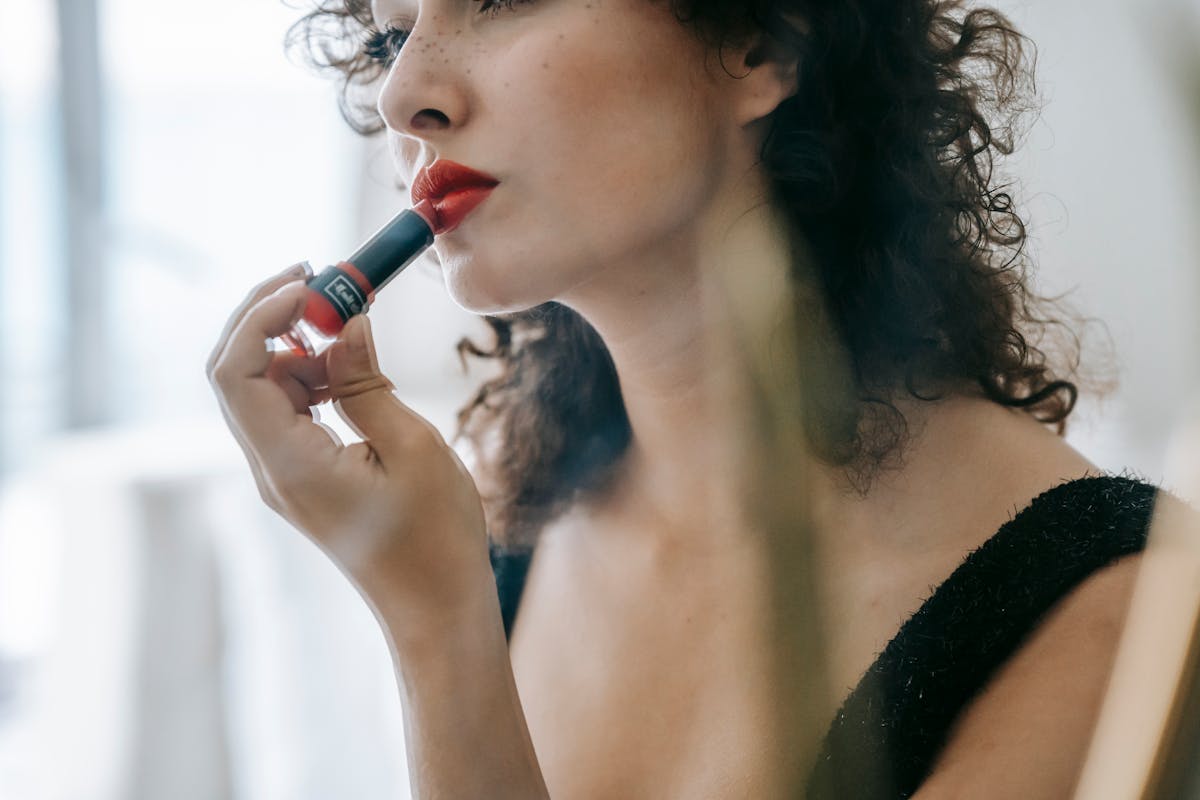
Pick 1: Classic Red
A classic red never goes out of style. It wakes up your whole face, even on a gray winter day.
Details:
- Finish: creamy satin with a soft shine.
- Best for: all skin tones. Blue-based red suits fair and cool skin, while warm brick red suits warm and deep skin.
- Price: about $5 to $28 in the US, with drugstore tubes near $5 to $12 and natural brands near $12 to $28.
- Tip: dab a little on the center of your lips and blend it out.
Pick 2: Soft Nude
A soft nude is the shade you reach for most days. It looks like your lips, only a touch warmer and more even.
Details:
- Finish: creamy and sheer to medium, with a soft glow.
- Best for: all skin tones. Pick a nude a shade or two deeper than your own lips so it does not wash you out.
- Price: about $7 to $30 in the US, with drugstore tubes near $7 to $12 and natural brands near $12 to $30.
- Tip: If a nude makes you look pale, add a dab of rose balm on top for warmth.
Pick 3: Deep Berry
Deep berry is winter in a tube. It is rich, warm, and a little bit bold, yet still easy to wear.
Details:
- Finish: creamy satin, with good color in one swipe.
- Best for: fair to deep skin. Lighter berry suits fair skin, while deep plum berry suits warm and deep skin.
- Price: about $9 to $28 in the US, with drugstore tubes near $9 to $12 and natural brands near $12 to $28.
- Tip: use a fingertip around the edges for a soft, blurred edge.

Pick 4: Gentle Rose
A gentle rose is soft, sweet, and fresh. It is the shade for days when you want to look put together without trying too hard.
Details:
- Finish: sheer to creamy, with a soft, dewy look.
- Best for: fair, warm, and cool skin. Soft rose suits fair skin, while a deeper rose suits warm and deep skin.
- Price: about $5 to $26 in the US, with drugstore tubes near $5 to $11 and natural brands near $12 to $26.
- Tip: press it on with your fingertip for a light stain.
Pick 5: Tinted Balm
A tinted balm is the kindest pick for very dry lips. It feels like a lip balm, with just a hint of color.
Details:
- Finish: sheer, glossy, and soft, like a balm with color.
- Best for: dry and sensitive lips, and for no-makeup days.
- Price: about $6 to $18 in the US, with most tinted balms near $6 to $12 and natural brands near $12 to $18.
- Tip: layer it over plain lip balm on very cold days for extra comfort.
How to Apply
Good prep makes any lipstick look better. Start with a plain lip balm and let it sink in for a minute. Blot off extra balm so the color can grip your lips. Then apply from the center of your lips out to the corners. Use one layer for a soft look, or add a second layer for more color.
A lip liner is optional, but it can help. Pick a liner close to your lip color and trace the edge of your lips with a light hand. This stops the color from slipping when you sip hot drinks. If you skip liner, clean up the edges with a fingertip.

What to Skip
- Matte formulas on dry lips without balm first. Matte color can cling to dry patches, so add balm first or pick a creamy finish.
- Expired lipstick. A lipstick that smells odd, feels dry or crumbly, or looks dull and patchy is past its best. Most opened lipsticks last about 12 to 18 months, so toss one that has changed.
- Sharing lipstick with others. It can pass germs along, so keep your tube to yourself.
- Strong-scented formulas if your lips crack easily. A plain, gentle formula is kinder when your lips are sore.
When to See a Dermatologist
Most lip troubles clear up with balm and a gentler lipstick. But if you get a rash, swelling, or soreness that will not fade after a few days, stop using the new lipstick and talk to a dermatologist. The same goes for itching, burning, or small blisters that keep coming back. Bring the lipstick with you, so the doctor can see the full list of what is in it.
Quick Recap
- Classic red: bold, creamy, all skin tones, $5 to $28.
- Soft nude: easy, everyday, pick one shade deeper than your lips, $7 to $30.
- Deep berry: rich winter color, one swipe, $9 to $28.
- Gentle rose: soft and fresh, fingertip-friendly, $5 to $26.
- Tinted balm: sheer color plus comfort for dry lips, $6 to $18.
Pin this guide for later. Your winter lipstick shade is waiting.


Comments