5 DIY Face Masks for Winter Dry Skin
Winter air can be rough on your skin. Cold wind outside and warm, dry air inside pull moisture from your face, and by midwinter, skin can feel tight, rough, and dull. A diy face mask for dry skin made at home is cheap, simple, and kind. You only need a few things from your kitchen, a clean bowl, and fifteen minutes. This guide has 5 easy masks for winter dry skin, each made from plain food ingredients in just a few minutes.
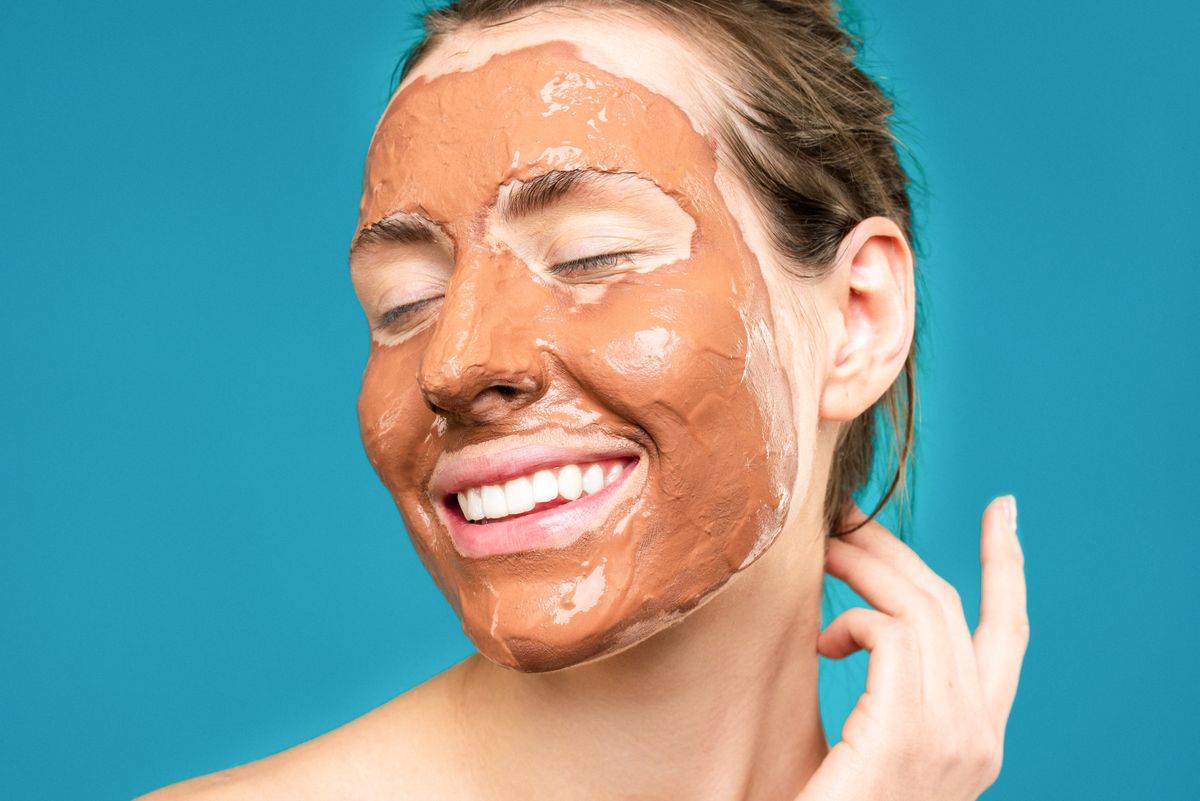
Mask 1: Honey and Avocado
Honey and avocado are a great pair for dry skin. Avocado is full of healthy fats that help skin feel soft, and honey pulls moisture in and helps it stay.
Details:
- Ingredients: half a ripe avocado, 1 tablespoon honey.
- Steps: mash the avocado in a small bowl until it is smooth with no lumps. Stir in the honey. Spread on clean skin, leave for 10 to 15 minutes, and rinse with lukewarm water.
- How often: once or twice a week.
- Best for: very dry and tight skin that needs deep moisture.
Mask 2: Oatmeal and Yogurt
Oats are known for calming skin that feels itchy or rough, and plain yogurt adds gentle moisture. Use plain yogurt only, and grind the oats fine first, since whole dry oats can scratch skin.
Details:
- Ingredients: 2 tablespoons finely ground oats, 1 tablespoon plain yogurt, 1 teaspoon honey.
- Steps: Mix all three in a small bowl into a smooth paste. Spread on clean skin, leave for 10 to 15 minutes, and rinse with lukewarm water.
- How often: once or twice a week.
- Best for: dry skin that feels itchy, rough, or easily irritated.

Mask 3: Banana and Olive Oil
A ripe banana is soft and full of moisture, which makes it a kind base for a winter mask. Olive oil helps seal that moisture in, and honey adds extra softness.
Details:
- Ingredients: half a ripe banana, 1 teaspoon olive oil, 1 teaspoon honey.
- Steps: Mash the banana in a small bowl until no lumps are left. Stir in the olive oil and honey. Spread on clean skin, leave for 10 to 15 minutes, and rinse with lukewarm water.
- How often: once or twice a week.
- Best for: dry skin that looks dull and feels rough. Skip it if your skin breaks out easily, since olive oil is heavy and can clog pores.
Mask 4: Aloe Vera and Honey
Aloe vera feels cool and light on skin, and it pairs well with honey for a mask that hydrates without feeling heavy. Use plain gel with no added fragrance or alcohol.
Details:
- Ingredients: 2 tablespoons plain aloe vera gel, 1 tablespoon honey.
- Steps: Stir the gel and honey together in a small bowl until smooth. Spread on clean skin, leave for 10 to 15 minutes, and rinse with lukewarm water. If you use fresh aloe from a leaf, use only the clear inner gel.
- How often: 2 to 3 times a week.
- Best for: dry skin that feels tight, warm, or a little red.
Mask 5: Milk and Honey
Milk and honey are two of the simplest ingredients you can put on your face. Milk adds gentle moisture, and honey helps your skin hold on to it.
Details:
- Ingredients: 1 tablespoon honey, 1 tablespoon whole milk.
- Steps: Stir the honey and milk in a small bowl until you get a thick mix. Spread on clean skin with clean fingers, leave for 10 to 15 minutes, and rinse with lukewarm water.
- How often: once or twice a week.
- Best for: dry skin that feels rough and needs gentle moisture. Mix it fresh each time, and skip it if you are allergic to milk or honey.
How to use a mask
A diy face mask for dry skin works best when you use it the right way. Start with clean skin. Wash your face with a gentle cleanser and pat it dry with a soft towel. Spread the mask in a thin, even layer with clean fingers, away from your eyes and mouth. Leave it on for 10 to 15 minutes. Rinse with lukewarm water, not hot water, which can dry your skin out more. Pat your face dry, then put on moisturizer right away while your skin is still a little damp.
Before you try any mask on your face, test it first. Dab a little on your inner wrist and wait 24 hours. If your skin stays calm, with no redness or itching, it is safe to use.
What to skip
- Lemon juice on skin. It is very acidic and can sting dry skin, and sun on it can cause dark marks and burns.
- Baking soda on your face. It is far too alkaline for skin and can strip away moisture, leaving skin dry and sore.
- Scrubbing masks on broken skin. If your skin is cracked, cut, or raw, skip masks until it heals.
- Leaving a mask on too long. More time does not mean more glow, so stick to 10 to 15 minutes.
- Old mixed masks. Food masks have no preservatives, so mix fresh each time and toss what is left.
When to see a dermatologist
Most dry winter skin gets better with gentle care. But some signs mean it is time to talk to a skin doctor. See a dermatologist if you get a rash, burning, or swelling that does not fade after you rinse a mask off, or breakouts that will not stop. Skin that is cracked, bleeding, or very sore needs a doctor, not a home mask. If you have eczema, rosacea, or any skin condition, ask your dermatologist before you try a new mask.
Quick recap
- Honey and avocado: rich and soft, very dry skin, 1 to 2 times a week.
- Oatmeal and yogurt: calm and smooth, itchy dry skin, 1 to 2 times a week.
- Banana and olive oil: soft and bright, dull dry skin, 1 to 2 times a week.
- Aloe vera and honey: cool and light, tight dry skin, 2 to 3 times a week.
- Milk and honey: gentle and simple, rough dry skin, 1 to 2 times a week.

Pin this guide for later. Your winter face mask takes fifteen minutes.


Comments